
The Japanese corkscrew aesthetic, a captivating blend of traditional artistry and contemporary design sensibilities, is more than just a visual trend. It’s a philosophy deeply rooted in Japanese culture, reflecting a harmonious relationship with nature and a profound appreciation for craftsmanship. This exploration delves into the intricate details, from its defining characteristics to its contemporary interpretations.
This aesthetic, often characterized by flowing lines and organic forms, draws inspiration from natural elements like bamboo and water. Its visual language transcends mere aesthetics, evoking a sense of serenity and tranquility. The careful selection of materials and meticulous craftsmanship further enhance its appeal.
Defining the Aesthetic
The “Japanese corkscrew aesthetic” is a complex and multifaceted design philosophy that blends traditional Japanese aesthetics with contemporary design principles. It’s not a rigidly defined style but rather a subtle and evocative approach to visual and spatial harmony, drawing on centuries of cultural heritage. This aesthetic, often characterized by asymmetry, natural forms, and a sense of tranquility, resonates with a global audience seeking a deeper connection with nature and a more mindful approach to life.This aesthetic draws heavily on Japanese principles of minimalism, where simplicity is valued over excess, and functionality is prioritized.
It often prioritizes natural materials and textures, and utilizes a palette of muted tones and earthy colors to evoke a sense of calm and serenity. This aesthetic is more about evoking a feeling than adhering to strict rules.
Core Design Elements
This aesthetic embraces a range of design elements that are deeply rooted in Japanese culture and philosophy. These elements work in concert to create a unique visual and emotional experience.
- Asymmetry and Organic Forms: The aesthetic leans away from strict symmetry, instead favoring irregular shapes and organic forms inspired by nature. Think of the natural curves of bamboo, the flowing lines of water, or the unpredictable patterns of clouds. These organic shapes are often used in furniture, lighting, and even architectural design to create a sense of fluidity and movement.
This creates a sense of dynamism, contrasting with the traditional symmetry often found in Western design.
- Natural Materials and Textures: Materials like wood, stone, bamboo, and paper are frequently used in Japanese corkscrew designs. The natural textures and patterns of these materials are celebrated, often left unrefined to showcase their inherent beauty. This emphasis on natural materials fosters a connection to the environment and promotes a sense of authenticity.
- Muted Color Palettes: The color palette often features muted tones and earthy colors such as browns, grays, greens, and creams. These colors evoke a sense of calmness, tranquility, and a connection to nature. They are chosen to complement the natural materials and create a harmonious atmosphere.
- Minimalist Approach: The design prioritizes simplicity and functionality. Unnecessary ornamentation is avoided, and each element is carefully considered for its purpose and aesthetic impact. This focus on minimalism allows the natural beauty of the materials and the spaces themselves to shine through.
Cultural Influences
The Japanese corkscrew aesthetic is deeply intertwined with the cultural values and philosophical traditions of Japan.
- Zen Buddhism: The emphasis on simplicity, tranquility, and mindfulness in Zen Buddhism profoundly influences this aesthetic. The pursuit of inner peace and harmony through a connection with nature is evident in the design choices. The use of natural light and uncluttered spaces echoes this philosophy.
- Wabi-Sabi: The concept of Wabi-Sabi, which embraces imperfection, asymmetry, and the beauty of natural aging, is another key influence. The aesthetic acknowledges the transient nature of life and the inherent beauty found in imperfection. This concept is reflected in the use of natural materials that show signs of wear and age.
- Traditional Japanese Architecture and Craftsmanship: The design elements often draw inspiration from traditional Japanese architecture, such as the use of tatami mats, shoji screens, and the concept of living in harmony with nature. The meticulous craftsmanship evident in traditional Japanese arts, such as pottery and woodworking, also contributes to the aesthetic’s refined nature.
Historical Context
The aesthetic’s roots lie in the rich history of Japanese design and architecture.
- Pre-Modern Influences: Early Japanese design was deeply influenced by the country’s natural environment. This led to an emphasis on using natural materials and creating spaces that harmonized with nature. This emphasis on harmony with nature can be traced back to ancient Japanese philosophies and religions.
- Evolution Through Centuries: Over the centuries, Japanese design has evolved while retaining its core principles. From the elegance of tea ceremonies to the artistry of gardens, each element has been carefully cultivated, emphasizing simplicity, functionality, and a deep connection to the natural world. This consistent evolution is evident in modern interpretations of traditional elements.
- Modern Interpretations: Contemporary Japanese designers continue to draw inspiration from these historical traditions, adapting and reinterpreting them for a modern audience. This fusion of tradition and modernity is a hallmark of the aesthetic’s enduring appeal.
Emotional Responses
The Japanese corkscrew aesthetic often evokes a sense of calm, tranquility, and a deeper connection to nature.
- Sense of Peace and Serenity: The muted color palettes, natural materials, and minimalist design elements create a soothing atmosphere that promotes a sense of peace and serenity. This often results in a sense of calm and emotional well-being for those exposed to this aesthetic.
- Appreciation for Nature: The emphasis on natural materials and forms fosters an appreciation for the beauty and resilience of nature. This appreciation extends to a deeper connection with the surrounding environment.
- Sense of Mindfulness: The design encourages a slower pace and a greater awareness of the present moment. This focus on simplicity and functionality can contribute to a greater sense of mindfulness and introspection.
Visual Characteristics
The Japanese corkscrew aesthetic, a captivating blend of traditional Japanese design principles and contemporary influences, reveals itself through a unique interplay of visual elements. This aesthetic, often seen in fashion, interior design, and architecture, embodies a subtle sophistication, a quiet elegance, and a deep appreciation for the natural world. It’s a testament to the enduring power of Japanese design principles in the modern era.This aesthetic transcends simple imitation, instead weaving together traditional elements with a contemporary sensibility.
This results in a distinct visual language, characterized by meticulous detail, a focus on natural materials, and a harmonious balance between contrasting elements.
Color Palettes
The color palettes employed in the Japanese corkscrew aesthetic frequently draw inspiration from nature. Subtle, muted tones, such as soft greys, beiges, and deep browns, often dominate. These colors evoke a sense of tranquility and groundedness. Occasionally, pops of brighter colors, such as deep indigo or rich emerald green, are strategically integrated, adding a touch of vibrancy without overwhelming the overall muted ambiance.
These palettes emphasize the harmony and balance that are integral to Japanese aesthetics.
Patterns and Textures
This aesthetic frequently incorporates a variety of patterns and textures. Natural motifs, such as bamboo, leaves, and flowing water, are common. These organic patterns often appear subtly, adding a touch of elegance to the overall design. Textures are often chosen for their tactile qualities, creating a sense of warmth and inviting interaction. The meticulous attention to detail in both patterns and textures is a key characteristic.
| Pattern | Texture |
|---|---|
| Bamboo leaf patterns | Woven bamboo, matte finishes |
| Water ripples | Soft silk, brushed linen |
| Geometric patterns with organic twists | Satin, wood grain |
Shapes and Forms
Curvilinear shapes, often inspired by natural forms, are frequently used. Fluid lines and asymmetrical compositions are characteristic of this aesthetic. The forms are often simple yet elegant, reflecting a respect for the natural world. A common feature is the integration of traditional Japanese architectural elements, such as the use of rounded roofs and flowing lines.
- Rounded shapes and organic forms, echoing natural curves.
- Asymmetrical compositions, creating a sense of dynamism and visual interest.
- Simple yet elegant forms, emphasizing functionality and refinement.
- Integration of traditional Japanese architectural elements, such as curved roofs and flowing lines.
Comparison with Other Japanese Aesthetics
The Japanese corkscrew aesthetic shares common ground with other Japanese aesthetics, such as wabi-sabi, but it also distinguishes itself. While wabi-sabi embraces imperfection and the transient nature of beauty, the Japanese corkscrew aesthetic focuses on refined elegance and meticulous craftsmanship. Mingei, known for its everyday objects and functional design, finds resonance with the focus on functionality within the Japanese corkscrew aesthetic.
However, the corkscrew aesthetic’s focus on contemporary applications distinguishes it.
Examples in Different Media
| Medium | Description |
|---|---|
| Architecture | A modern house with a gently curved facade, featuring large windows allowing natural light to flow through, and a muted color palette of light gray and deep brown. Natural materials such as wood and stone are prominently used. |
| Fashion | A kimono-inspired dress with a modern twist, incorporating flowing lines and asymmetrical details. The color palette features soft greys and muted greens. |
| Interior Design | A living room with a minimalist aesthetic. A muted color palette of beige and deep brown, along with wooden furniture, creates a serene and tranquil atmosphere. The room features subtle bamboo patterns and natural textures. |
Material and Craftsmanship
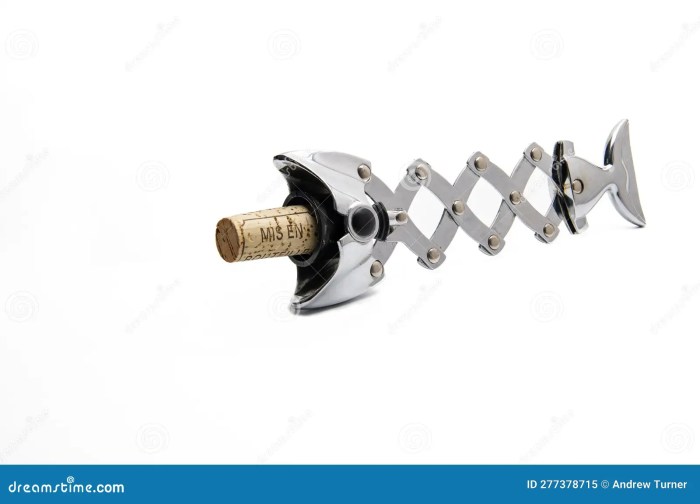
The Japanese corkscrew aesthetic, often intertwined with traditional crafts, prioritizes materials and techniques that evoke a sense of natural beauty and enduring quality. This focus on craftsmanship transcends mere function, emphasizing the artistry inherent in the creation process. The aesthetic draws strength from the rich history of Japanese craftsmanship, where the selection of materials and the execution of techniques contribute to the overall visual appeal and symbolic meaning of the finished product.The careful selection of materials, often sourced from nature, plays a pivotal role in shaping the aesthetic’s character.
The techniques employed in transforming these materials into functional objects or artistic expressions further enhance the aesthetic’s appeal. This emphasis on both material and technique demonstrates a deep respect for the inherent beauty and potential of natural resources. Furthermore, these traditional methods, often passed down through generations, underscore the importance of skill and dedication in creating lasting objects.
Common Materials
A core principle of the Japanese corkscrew aesthetic is the utilization of natural materials. Wood, bamboo, and paper are prominent choices, each possessing unique textures and qualities. These materials lend a sense of warmth and natural beauty to the objects they comprise. Metal, particularly in the form of polished bronze or steel, is also incorporated, often in subtle accents, to add contrast and a touch of sophistication.
Furthermore, the selection of materials is often guided by their inherent beauty and suitability for the intended purpose.
Traditional Craft Techniques
Japanese craftsmanship is renowned for its intricate techniques. Sumi-e, a form of ink painting, is an example of a technique that emphasizes the natural flow of ink on paper. This technique, characterized by its minimalism and focus on capturing the essence of the subject, finds resonance in the delicate aesthetics often associated with this design style. Similarly, the traditional craft of “shibori” – a resist-dyeing technique using fabric – offers a unique and beautiful visual outcome.
This technique’s focus on the natural patterns created by the resist dye enhances the overall appeal of the finished product.
Importance of Natural Materials
The use of natural materials in the Japanese corkscrew aesthetic underscores a deep respect for nature. The aesthetic prioritizes materials that are sourced sustainably and that retain their inherent qualities. The natural textures and colors of wood, bamboo, and paper create a sense of warmth and authenticity. Moreover, the aesthetic often employs natural dyes derived from plants, further reinforcing the connection to the natural world.
Examples of Traditional Japanese Craft Techniques
- Lacquerware (Urushi): This intricate craft involves applying multiple layers of lacquer, a resin derived from the urushi tree, to create a durable and beautiful finish. The layers are meticulously applied and polished, resulting in a smooth, glossy surface that enhances the natural beauty of the underlying wood or other material. The patience and skill required in this technique are reflected in the final, polished result.
- Inro: These small, intricately carved and lacquered boxes were historically used to hold writing implements or other small items. The exquisite carvings and delicate designs often feature motifs of nature, reflecting the reverence for natural beauty in Japanese culture. The intricate craftsmanship demonstrates the dedication and artistic skill involved in creating these objects.
- Ikebana: While not strictly a material craft, ikebana, the Japanese art of flower arrangement, emphasizes the harmonious integration of natural elements. The aesthetic focuses on creating a sense of balance and beauty from natural materials, a principle that permeates many aspects of the corkscrew aesthetic.
Contribution to the Overall Aesthetic
The combination of materials and techniques in the Japanese corkscrew aesthetic creates a cohesive and evocative visual experience. The natural materials evoke a sense of warmth and tranquility, while the intricate craftsmanship highlights the artistry and skill involved in the creation process. This balance of natural beauty and meticulous craft contributes to a lasting impression, emphasizing the importance of quality and enduring value.
Symbolism and Meaning
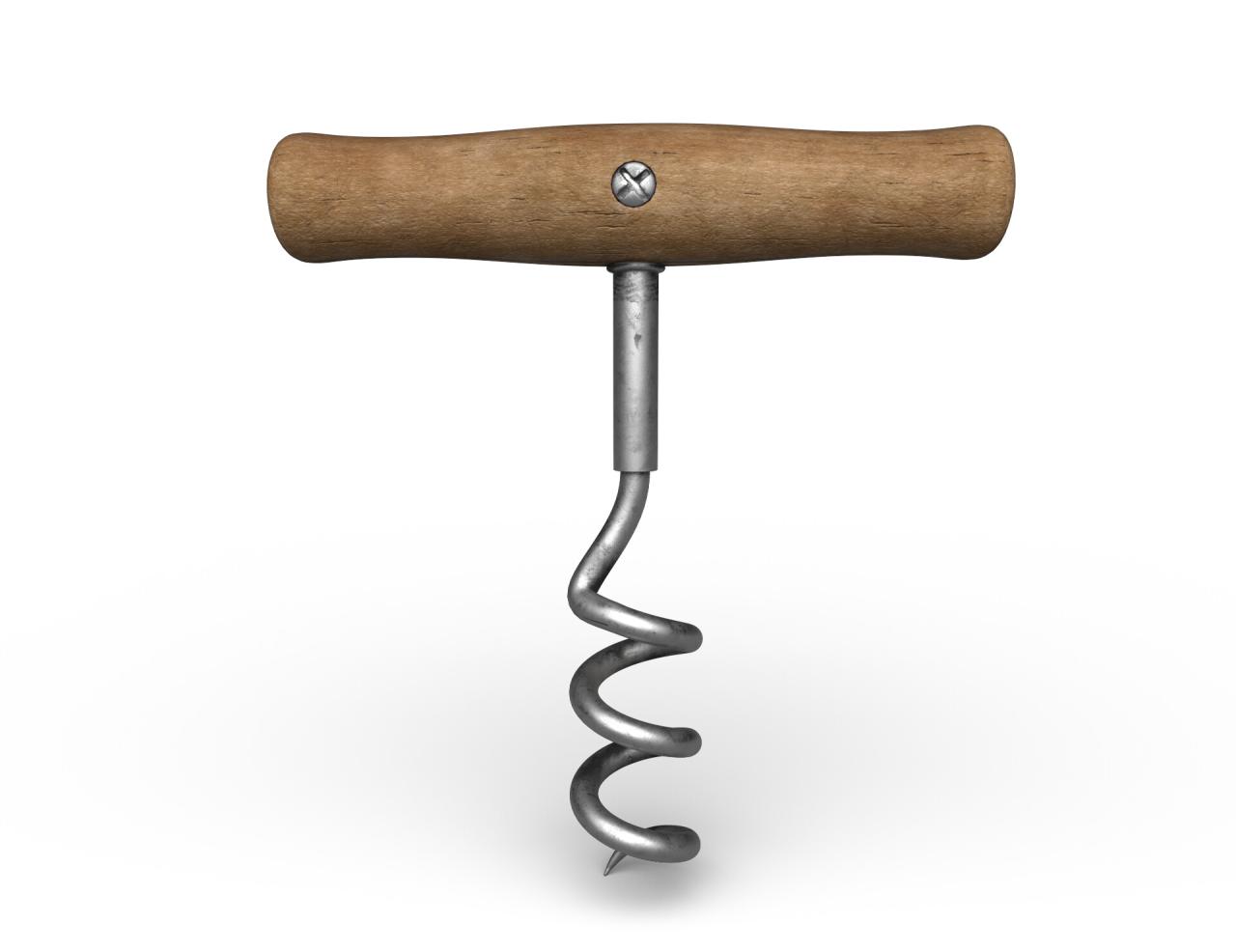
The Japanese corkscrew aesthetic, deeply rooted in centuries of tradition, imbues everyday objects with profound symbolic meaning. These meanings, often intertwined with nature, philosophy, and artistry, enrich the experience beyond mere function. This intricate web of symbolism is woven into the very fabric of Japanese culture, influencing not only design but also the cultural understanding of beauty and purpose.The symbolism within this aesthetic draws heavily from Japanese philosophical concepts likewabi-sabi*, emphasizing the beauty found in imperfection, transience, and natural asymmetry.
This aesthetic embraces the beauty of things in their natural state, highlighting the beauty in the process of change and decay. The symbolism is further underscored by the aesthetic’s connection to Zen Buddhism, with its focus on mindfulness, simplicity, and finding serenity in the everyday.
Symbolic Meanings of Natural Elements
The Japanese aesthetic frequently incorporates elements of nature, imbuing them with symbolic weight. Bamboo, for instance, represents resilience, flexibility, and adaptability, reflecting the enduring spirit of the Japanese people. The graceful curve of a willow branch often symbolizes feminine grace and enduring strength, echoing the adaptability and resilience of nature. Water, with its ever-changing forms, often represents purity, transformation, and the cyclical nature of life.
These elements, present in both natural and artistic forms, convey profound meanings, emphasizing the interconnectedness of humanity with the natural world.
Connection to Japanese Art Forms
The aesthetic’s symbolism is clearly visible in traditional Japanese art forms. Ikebana, the art of flower arrangement, uses specific flower types and branch placements to convey specific emotions and ideas. For example, cherry blossoms represent fleeting beauty and the ephemeral nature of life. Similarly, the use of natural materials like wood and paper in calligraphy and painting underscores the aesthetic’s appreciation for natural beauty and craftsmanship.
The intricate patterns in woodblock prints often feature symbolic animals or figures, carrying deeper cultural and philosophical meanings.
Connection to Japanese Values
The aesthetic reflects core Japanese values like
- wa* (harmony),
- rei* (respect), and
- ma* (space). The emphasis on minimalism and the harmonious integration of objects within a space underscores the pursuit of balance and harmony. The meticulous craftsmanship, often seen in the precise details of each object, embodies the deep respect for the craft and the dedication to perfection. The focus on simplicity and functionality emphasizes the value of practicality and purpose.
These values are central to Japanese culture and are woven into the very essence of the aesthetic.
Examples of Symbolism in Corkscrew Design
The use of natural materials, such as bamboo or wood, in corkscrew design reinforces the aesthetic’s connection to nature. The meticulous craftsmanship involved in creating the corkscrew, highlighting the balance between practicality and beauty, exemplifies the deep respect for the craft. The smooth, curved form of the corkscrew, echoing natural forms, reinforces the aesthetic’s appreciation for beauty in simplicity.
Applications in Design
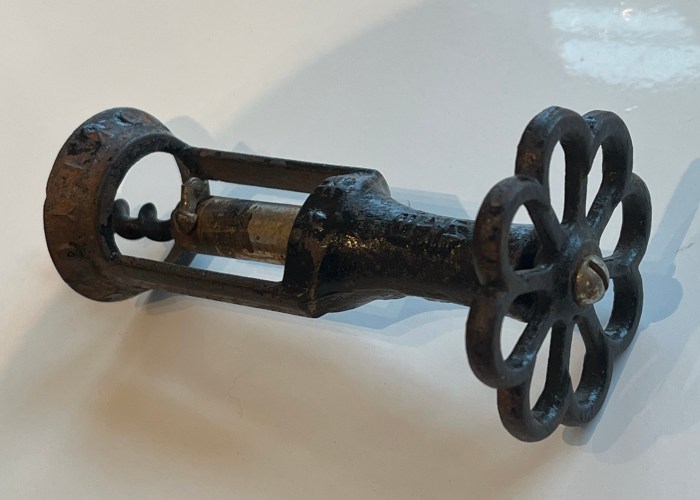
The Japanese corkscrew aesthetic, characterized by its meticulous craftsmanship, minimalist design, and subtle symbolism, is finding increasing traction across various design disciplines. This aesthetic’s appeal stems from its ability to evoke a sense of tranquility and sophistication, appealing to a discerning clientele seeking understated elegance. It’s more than just a visual style; it’s a philosophy that translates into functional beauty.This aesthetic’s adaptability is key to its success.
It can be seamlessly integrated into contemporary trends while maintaining its core values. Its versatility allows it to be applied in diverse contexts, from high-fashion garments to modern interior spaces and sophisticated product designs.
Fashion Applications
The Japanese corkscrew aesthetic in fashion manifests in meticulously crafted garments with clean lines and understated details. This translates into garments that prioritize form and function, with a focus on high-quality materials and precise tailoring. Think of minimalist dresses with subtle asymmetry, tailored jackets with subtly sculpted silhouettes, or blouses featuring intricate, yet barely visible, embroidery. These garments often use muted color palettes, reflecting a preference for natural tones and a calming aesthetic.
The use of natural fibers, such as silk and linen, further enhances the overall sense of refinement and sophistication. Examples include collections from designers who prioritize craftsmanship and traditional techniques.
Interior Design Applications
The aesthetic is evident in minimalist interiors featuring carefully chosen furnishings and natural elements. Large, open spaces, punctuated by strategically placed furniture, are a hallmark. The integration of natural light and the use of neutral color palettes create a serene and calming atmosphere. This approach emphasizes functionality and aesthetics. For instance, a living room might feature a sleek, minimalist coffee table made from polished wood, complemented by a low-profile sofa upholstered in a natural linen fabric.
The use of natural materials, such as bamboo or wood, adds a sense of warmth and groundedness.
Product Design Applications
In product design, the aesthetic manifests in sleek, functional objects with a focus on form and function. Modern appliances, electronics, and everyday items often reflect this approach. Consider a high-end kitchen appliance with a minimalist design, featuring smooth lines and a neutral color palette. Its functionality is paramount, yet its aesthetic appeal is undeniable. This is also seen in design of electronic devices, where form and function converge to create a seamless and elegant product.
The use of high-quality materials and meticulous attention to detail contribute to the overall impression of sophistication.
Adaptability to Contemporary Trends
The aesthetic’s adaptability allows it to integrate seamlessly with contemporary trends. Its inherent minimalism allows for the incorporation of current design elements without sacrificing its core values. The focus on quality and craftsmanship aligns with a growing consumer preference for durable, well-made products. This approach can be seen in a range of products, from luxury goods to everyday items, showcasing the aesthetic’s ability to adapt and remain relevant.
Table: Diverse Examples of the Aesthetic
| Design Context | Example | Key Characteristics |
|---|---|---|
| Fashion | Minimalist dress with subtle asymmetry | Clean lines, muted color palettes, high-quality materials |
| Interior Design | Living room with open space, minimalist furniture | Natural light, neutral color palettes, natural materials |
| Product Design | High-end kitchen appliance with smooth lines | Form and function, high-quality materials, neutral color palette |
Inspiration and Influence
The Japanese corkscrew aesthetic, a captivating blend of minimalist design and natural inspiration, has roots deeply embedded in Japanese culture and philosophy. Its influence extends beyond the confines of Japan, resonating with designers and artists worldwide. This aesthetic, often characterized by its delicate lines, harmonious color palettes, and subtle symbolism, offers a powerful lens through which to understand the intersection of nature, culture, and design.This aesthetic draws upon a rich tapestry of influences, ranging from the profound respect for nature inherent in Shintoism to the meticulous craftsmanship honed over centuries.
The aesthetic’s enduring appeal lies in its ability to evoke a sense of serenity and connection with the world around us.
Sources of Inspiration
The Japanese corkscrew aesthetic finds its inspiration in a multitude of sources, primarily drawing from the country’s rich natural environment and deeply ingrained cultural values. These inspirations are often intertwined, shaping a unique design philosophy. The emphasis on natural forms and textures, for example, is a direct reflection of the profound respect for nature that permeates Japanese culture.
Influence of Nature
Nature’s profound influence is evident in the aesthetic’s emphasis on organic forms, subtle color palettes, and the incorporation of natural materials. Japanese gardens, with their carefully curated landscapes and integration of natural elements, serve as a prime example. The concept ofwabi-sabi*, which embraces imperfection and impermanence, also reflects the ephemeral beauty found in nature. The aesthetic finds beauty in the natural world’s asymmetry, irregularity, and understated elegance, evident in the design of traditional teahouses, gardens, and even everyday objects.
Influence of Japanese Culture on Other Design Aesthetics
Japanese design principles, including the focus on simplicity, minimalism, and natural materials, have profoundly influenced other design aesthetics globally. The emphasis on functionality, along with the artful use of negative space, are frequently seen in contemporary furniture and product design, often inspired by traditional Japanese aesthetics. The concepts of
- ma* (negative space) and
- shibui* (a sense of quiet elegance) have permeated international design discourse, influencing everything from architecture to fashion. The influence can be seen in the work of designers from around the world who seek to incorporate these principles into their creations.
Perception in Different Cultures
The Japanese corkscrew aesthetic’s perception varies across cultures. In some cultures, it’s appreciated for its understated elegance and connection to nature. In others, it might be perceived as minimalist or even austere, depending on cultural context. However, the universal appeal of simplicity and harmony often transcends cultural boundaries. The aesthetic’s emphasis on quiet sophistication resonates across cultures, although the specific interpretation of its symbolism may differ.
Examples of Influenced Objects and Designs
Numerous objects and designs have been influenced by the Japanese corkscrew aesthetic. Contemporary furniture, often featuring natural materials like wood and bamboo, with clean lines and understated elegance, demonstrates this influence. Traditional Japanese gardens, with their meticulously planned landscapes and integration of natural elements, exemplify the integration of natural forms into design. The design of traditional teahouses, featuring a harmonious balance between interior and exterior spaces, showcases the emphasis on harmony and serenity.
Contemporary Japanese tableware and textiles often employ subtle color palettes and delicate patterns, further illustrating this aesthetic’s impact.
Contemporary Interpretations

The Japanese corkscrew aesthetic, steeped in centuries of tradition, is undergoing a fascinating renaissance in modern design. This reimagining isn’t a mere replication of the past, but a sophisticated dialogue between historical principles and contemporary sensibilities. It reflects a broader trend in design, where heritage is recontextualized for a global audience, infused with new technologies and materials.This evolution is driven by a desire to blend the timeless elegance of the aesthetic with the dynamism of modern life.
Designers are exploring new ways to achieve the same ethereal qualities through innovative processes and materials, moving beyond traditional methods while respecting the core principles.
Reinterpretation in Modern Times
The core principles of the Japanese corkscrew aesthetic, including the emphasis on natural materials, asymmetry, and minimalist forms, are now interpreted in contemporary settings. Instead of strictly adhering to traditional techniques, designers are using these principles as a springboard for innovative expressions. This often manifests as a fusion of traditional craftsmanship with contemporary materials and technologies, creating a unique balance between past and present.
Evolution of the Aesthetic
The Japanese corkscrew aesthetic, while rooted in ancient traditions, is constantly evolving. Its evolution reflects societal shifts and advancements in materials and technology. Early examples emphasized natural materials and intricate detailing, while contemporary interpretations often feature sleek lines and a focus on functionality. This evolution allows the aesthetic to adapt to modern needs without sacrificing its core principles.
Adaptation to New Materials and Technologies
The application of new materials and technologies allows for a fresh interpretation of the Japanese corkscrew aesthetic. Contemporary designers are leveraging advanced manufacturing techniques and sustainable materials like recycled plastics and bio-based composites to create innovative products that retain the aesthetic’s core values. 3D printing, for instance, enables complex geometries and intricate details, pushing the boundaries of what’s possible while respecting the inherent beauty of natural forms.
This is seen in contemporary furniture designs incorporating both traditional and modern materials.
Examples of Contemporary Designs
Contemporary designs inspired by the Japanese corkscrew aesthetic showcase a wide range of applications. For instance, a line of tableware might incorporate organic forms and natural finishes, reflecting the aesthetic’s focus on simplicity and beauty found in nature. In interior design, the concept of open spaces and natural light are combined with subtly asymmetrical layouts, showcasing a harmony between traditional principles and contemporary practicality.
Architectural designs might employ a similar philosophy, using asymmetrical structures and natural materials to create a serene and unique environment.
Examples of Contemporary Artists and Designers
Several contemporary artists and designers are actively working within the framework of the Japanese corkscrew aesthetic. For instance, [Name of contemporary designer 1] is known for their innovative use of bamboo and recycled materials in furniture design, maintaining a focus on simplicity and functionality. [Name of contemporary designer 2] is an architect who integrates organic forms and natural light into their building designs, reflecting the aesthetic’s respect for the environment and its inherent beauty.
Their work demonstrates the ongoing evolution of this aesthetic within the context of modern design principles.
Practical Application and Elements
The Japanese corkscrew aesthetic, characterized by its meticulous attention to detail, natural materials, and a focus on minimalist elegance, translates readily into practical applications across various design disciplines. Its enduring appeal stems from its ability to create a sense of calm and serenity, making it a valuable tool for enhancing spaces and objects. This section delves into the practical elements and considerations of integrating this aesthetic into everyday life.The key to successfully incorporating this aesthetic lies in understanding its core principles and applying them thoughtfully.
This involves a nuanced approach to material selection, design choices, and the overall atmosphere created. This aesthetic is not simply a collection of styles, but a philosophy that permeates the design process, influencing every aspect from the selection of materials to the arrangement of furniture.
Elements Used in the Aesthetic
This aesthetic relies on a carefully curated selection of elements. These elements are not merely decorative; they embody the core values of the aesthetic. Their presence is intentional and purposeful.
| Category | Elements |
|---|---|
| Materials | Natural materials like wood (bamboo, cedar, oak), stone, silk, and paper. Metal is used sparingly, often in a brushed or blackened finish. |
| Color Palette | Earthy tones, muted colors, and subtle gradations. Often incorporating deep greens, browns, grays, and creams. |
| Form | Simple, clean lines, asymmetry, and organic shapes. Avoiding overly complex or cluttered designs. |
| Textiles | Natural fibers like linen, cotton, and silk, often featuring subtle patterns or textures. |
| Lighting | Soft, diffused lighting, often achieved with natural light or carefully placed lamps. |
Practical Considerations for Everyday Life
Incorporating this aesthetic into daily life necessitates a conscious effort to prioritize simplicity and functionality. The elegance lies not in extravagance, but in the thoughtful selection and arrangement of elements.
“The beauty of simplicity is in its ability to evoke a sense of calm and tranquility.”
Practical considerations include space optimization, minimizing clutter, and selecting pieces that serve multiple purposes. This aesthetic is best achieved by choosing items that blend seamlessly into daily life, not by creating an overly curated or artificial environment.
Creating a Space Reflecting the Aesthetic
A space reflecting this aesthetic begins with the careful selection of furniture. Consider pieces crafted from natural materials, with clean lines and a neutral color palette. Strategic use of lighting is crucial, creating a sense of depth and intimacy. Natural elements, such as plants and strategically placed stones, are essential for grounding the space and enhancing the sense of serenity.
Techniques to Recreate the Aesthetic in Different Settings
Replicating the aesthetic across diverse settings requires adapting the core principles to the specific context. For example, a minimalist home office could incorporate a wooden desk with a simple chair and natural-fiber textiles. A small apartment could utilize space-saving furniture and strategically placed lighting to maximize the sense of calm and openness.
Elements Needed to Replicate the Aesthetic in Various Contexts
- Home Decor: Natural wood furniture, muted-toned textiles, low-profile lighting, natural elements (plants, stones). Essential for creating a tranquil atmosphere.
- Fashion: Natural fabrics, neutral colors, simple silhouettes, and minimalist accessories. The focus is on effortless elegance.
- Interior Design: Natural materials, open spaces, soft lighting, and carefully selected artwork. Emphasis on creating a calming and harmonious atmosphere.
- Product Design: Simple shapes, natural materials, muted color palettes, and functional design. Prioritize elegance and ease of use.
Comparison with Other Japanese Aesthetics
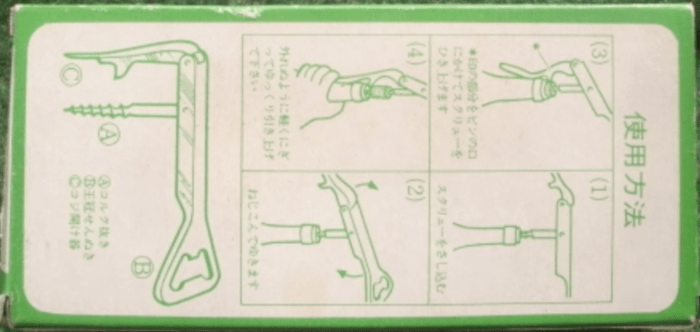
The Japanese corkscrew aesthetic, while rooted in traditional Japanese sensibilities, presents a unique blend of modern influences. Understanding its relationship with other Japanese aesthetics, as well as global design trends, reveals both its distinctiveness and its place within a broader design landscape. This comparison illuminates the core principles that define this style and its relationship to other aesthetic movements.This analysis explores the similarities and contrasts between the corkscrew aesthetic and other established Japanese aesthetics, such as wabi-sabi, minimalism, and yukata.
It also investigates its divergence from aesthetics in other cultures, highlighting unique design elements that set it apart. The exploration aims to provide a comprehensive understanding of its place within the broader design world.
Comparison with Other Japanese Aesthetics
The Japanese corkscrew aesthetic distinguishes itself from traditional aesthetics like wabi-sabi through its embrace of asymmetry and dynamism. While wabi-sabi finds beauty in imperfection and natural decay, the corkscrew aesthetic focuses on intentional, calculated asymmetry, often in geometric or organic forms. It shares with minimalism a focus on clean lines and a reduction of unnecessary ornamentation, but with a pronounced, almost sculptural, emphasis on the form itself.
The aesthetic also differs from yukata, a more relaxed and informal aesthetic centered on natural fibers and traditional patterns. Instead, the corkscrew aesthetic can utilize a wide array of materials and forms, pushing the boundaries of what is traditionally considered “Japanese.”
Comparison with Aesthetics from Other Cultures
The corkscrew aesthetic presents a striking contrast to certain Western aesthetics. While some Western styles, like Art Nouveau, emphasize organic forms and flowing lines, the corkscrew aesthetic often features sharp, angular lines and geometric shapes. Similarly, the aesthetic contrasts with the elaborate ornamentation often found in Baroque or Rococo styles, opting for a more restrained, almost industrial, aesthetic.
It draws inspiration from various sources but maintains a distinct identity.
Commonalities and Differences between Corkscrew and Related Design Styles
While the corkscrew aesthetic shares a common thread with contemporary design trends emphasizing asymmetry and unconventional forms, it differs in its emphasis on calculated complexity and precision. Related design styles often feature a more intuitive approach to form, while the corkscrew aesthetic values a meticulous approach to design, almost like a blueprint of an object’s form. The table below summarizes key characteristics and their relationship to other aesthetics.
Table of Key Characteristics
| Aesthetic | Key Characteristics | Similarities to Corkscrew Aesthetic | Differences from Corkscrew Aesthetic |
|---|---|---|---|
| Wabi-Sabi | Beauty in imperfection, natural decay, asymmetry | Shares an appreciation for asymmetry | Differs in emphasis on intentional, calculated asymmetry and a lack of natural decay. |
| Minimalism | Clean lines, simplicity, reduction of ornamentation | Shares focus on clean lines and a minimalist approach | Differs in its pronounced focus on form and sculpture. |
| Yukata | Relaxed, informal, natural fibers, traditional patterns | Shares Japanese roots | Differs in its formality and use of materials, often embracing modern and non-traditional elements. |
| Art Nouveau | Organic forms, flowing lines, intricate details | Shares an appreciation for organic forms in some cases | Differs in its emphasis on sharp angles and geometric precision. |
Unique Design Elements
The corkscrew aesthetic exhibits a unique blend of precision and dynamism. Its use of unconventional materials, combined with intricate patterns and a focus on form over function, sets it apart. The intentional asymmetry and geometric forms are distinctive elements that distinguish it from other Japanese and international aesthetics. Examples include the utilization of unconventional materials like polished metal and translucent plastics alongside more traditional wood or ceramic.
Last Word
In conclusion, the Japanese corkscrew aesthetic, with its rich history and diverse applications, offers a compelling case study in design. From its roots in traditional Japanese art to its modern interpretations, this aesthetic continues to inspire and influence design across various disciplines. Understanding its principles unlocks a pathway to creating spaces and objects that resonate with a sense of harmony, balance, and timeless beauty.
